

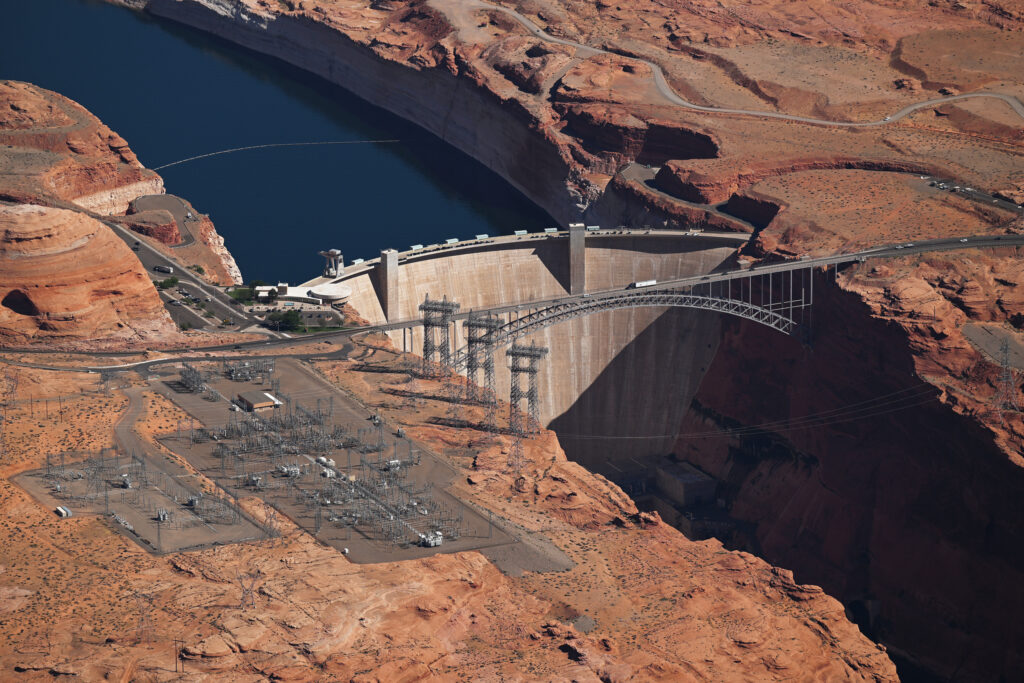
If water year 2027, measured from the beginning of October 2026 to the end of the following September, is similar to water year 2025, one of the five driest since 2000, and human consumption is on par with the lowest levels this century, the U.S. would overconsume the natural flow of the river by 2.59 million acre feet (one acre foot of water can serve between 1 and 3 households depending on the climate).
Such a drain would “risk a crash of the Basin’s water storage system,” the authors found.
Lakes Mead and Powell, the two largest reservoirs in the U.S., would hover just above the minimum elevations required for their dams to produce electricity and maintain their structural integrity. Hoover and Glen Canyon dams would be close to operating as “run-of-the-river” facilities that store no surplus.
Hey, NJ will get some excess water in their city-wide reservoirs! Maybe they could pipeline some down to the Colorado!

I believe a super el nino usually means a dryer Colorado basin. So… I hope they get rain; I like when my food is able to be grown.
They will not