

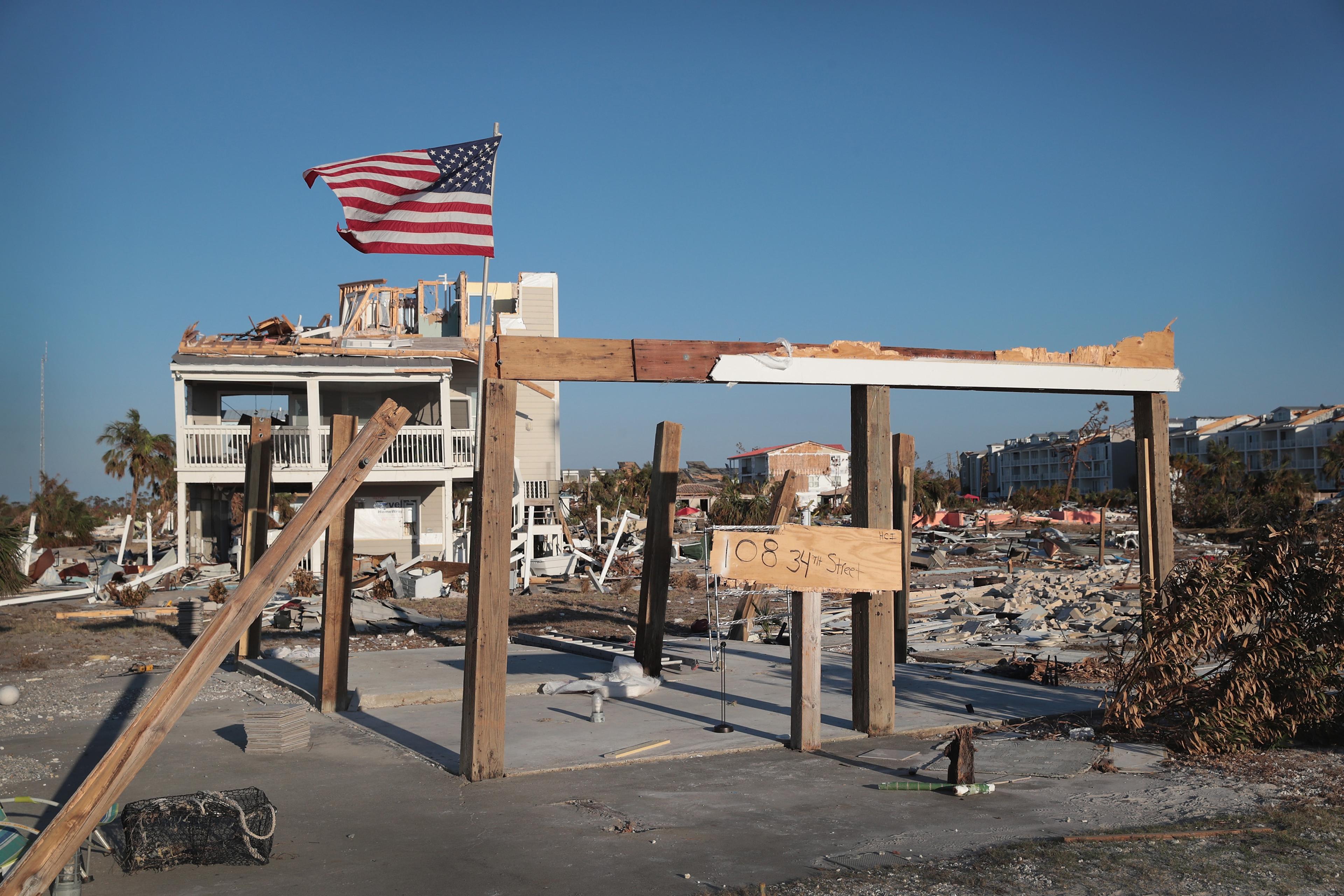
This is why reinsurers focus so intensely on climate change. Take a glance at the websites of big ones like Swiss Re and Munich Re and you get a sense of how central this is to their calculations – a concern that has spread to property insurers who are starting to hire climate consultants. Even more than market volatility, climate is their biggest headache. ‘You won’t meet a single insurance or reinsurance CEO who doesn’t believe in climate change,’ the insurance investor and former Lombard Insurance CEO James Orford told me. ‘They see it in the numbers – a combination of more extreme, less predictable events, combined with big losses of sums insured. All the modelling suggests these are uninsurable risks.’
Maybe we could start by abolishing the institute of leeches called “insurance industry”? 🤔
That would accomplish nothing, it would in fact be counter productive and lead to more chaos, faster.
It’s them who are now finally forcing actual reality on the ground to be reflected through increased costs, after decades of everyone else failing to build and adapt infrastructure to prevent the current crisis.
You can’t have any kind of an economic system without some kind of an incentive structure, and right now, they’re the only part of the current system that is even kind of functioning correctly, in line with reality.
They’re where the buck stops.
They’re actually assigning cost to climate change, instead of just doing carbon credit type bullshit, as most world governments have done, which basically amounts to giving away taxpayer money to whoever can figure out how to game that system most effectively.
Remove that, and well, everything falls apart rather quickly.
You are aware that insurers and insurance very often exists because it is legally mandated for all sorts of endeavors to have some kind of insurance, right?
World trade would basically cease, as every aircraft and ship and truck and train that moves stuff … would stop doing that.
And then everyone but the hyper wealthy starve to death.
Please actually read the article.
What can actually be done, that is productive and useful?
The article ends with:
That’s the top down approach, basically.
Another approach is bottom up:
Become as self-sufficient as you can, for as many things as you can.
Have a back-up water supply, get a small home solar power bank, do what climate related shoring up of your home that you can do, figure out how to reduce your overall power and water usage…
Unironically learn how to cook from closer to raw materials, maintain a pantry of shelf stable stuff in case food prices spike or their logistics that get them to the grocery store fails, figure out how to move yourself around town in a more rugged way that’s less reliant on complex supply chains…
Learn how to repair and maintain what you have, instead of replacing everything with built-to-break bs.
If you get a whole mass of people doing that… strain on the overall system lessens somewhat, capacity to recover from a local or regional disaster, resiliance, improves somewhat.
At a kind of midpoint level… reorient economies from being global, to being regional.
You still have supply lines and logistics, you still have trade, but its a bit less of an overall selection, with significantly less distant logistical hops.
Reform land use policies to incentivize local agriculture or industry to be able to pop up to fill the gaps from the pivot away from global supply lines: source everything that you can as locally as you can, and when you can’t find a local source, actually invest in building one.
Shorter supply lines = less fuel burned = less CO2 = less climate change.