

- cross-posted to:
- movies@piefed.social
“It’s when you are liberated from the narratives that we are so addicted to – plot twists and all that – when you liberate the images from that, the images have to say something,” he said. “Not by serving any narrative, but by just being what I found. The way you remember a film is never complete, you always remember flickers, images, moments. That’s the way our memory works. So, this is kind of a representation of how our memory works when we remember a film – it’s fragments of light and memory that are not related, but in a way they mean something, they hopefully make you feel something.”
Sueño Perro is all about about letting go of cinematic plot and looking for a different kind of truth that can be captured on film. Iñárritu explained that he was indebted to the authors of the Latin American Boom – spearheaded by Carlos Fuentes, Gabriel García Márquez, Mario Vargas Llosa, and Julio Cortázar – who dared to tell stories in entirely new ways, constructing narratives that questioned the nature of our truths. Inspired by these writers, as well as Akiro Kurasawa’s movie Rashômon – in which different characters each tell their own version of a central murder – Iñárritu found his own understanding of how film can create its own version of our reality.
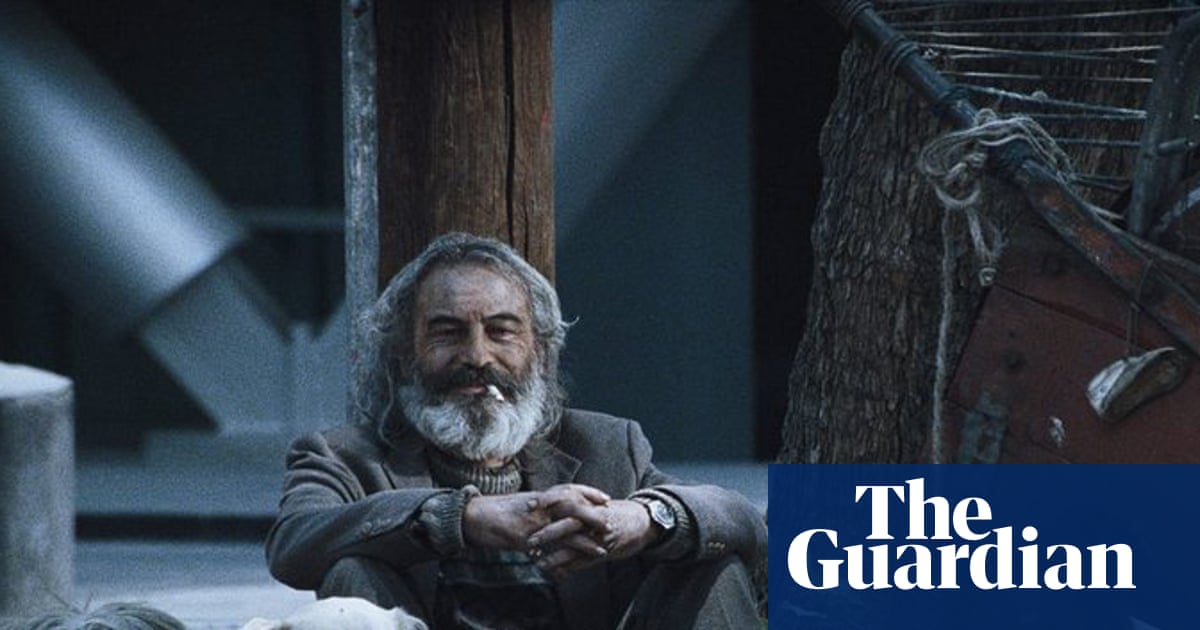
Amores Perros
Great film if anyone hasn’t seen it.