

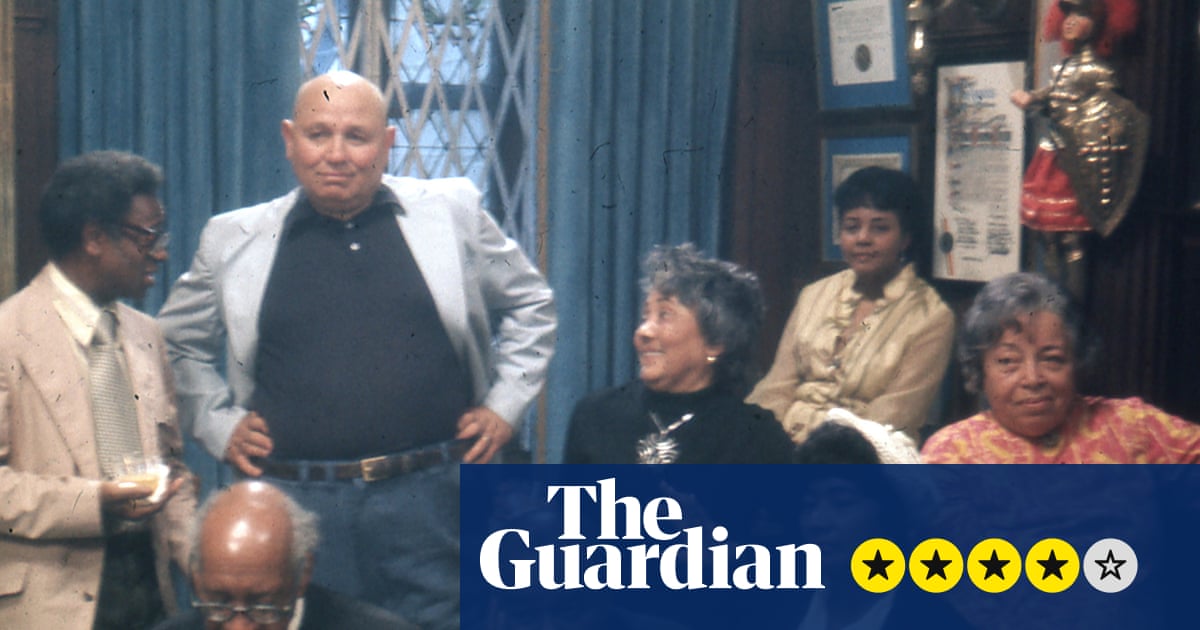
You could probably release that remarkable footage in full, completely unedited and unstructured, and still have a good documentary; every piece is now, 50 years later – the same distance to us as the Harlem Renaissance was to them – a bridge to a time no living person can remember, each face and gesture informed by decades of aftermath no straightforward nonfiction film on the period could capture. But Once Upon a Time in Harlem, directed by Greaves’s son David, who was one of four cameramen that day, manages to seamlessly clip and contextualize the party into 100 mesmerizing minutes. It’s both a sublime hang-out of a film and a celebration of individual achievements, a fascinating map of a long-ago scene and a referendum on legacy.
You must log in or # to comment.