

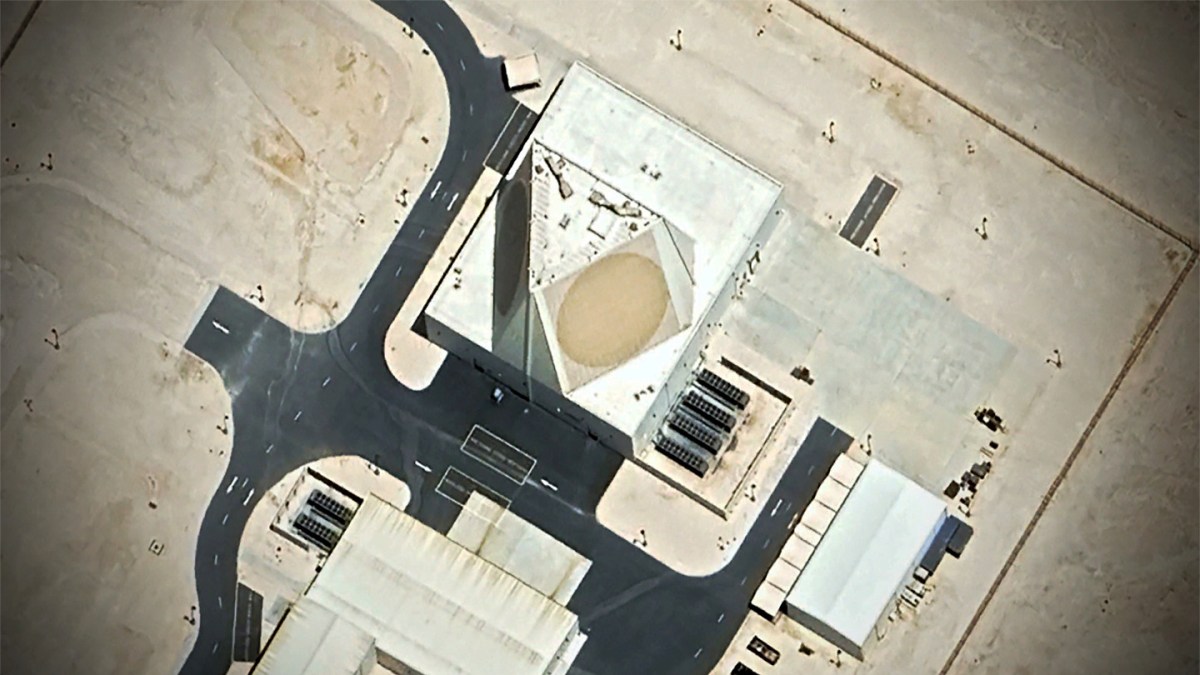
It used to be, generally, that you had to fire a ballistic missile or high-end cruise missile in an attempt to strike one of these systems. Now, long-range one-way-attack drones, as well as increasingly capable cruise and ballistic missiles, continue to proliferate steadily, including to smaller nation-state armed forces and even non-state actors. An attack could even come from a small drone with a C4 charge launched from a fishing trawler 10 miles away from one of these critical radar installations. The threat of these kinds of near-field attacks has largely been overlooked for years, even as the low-end drone threat has exploded and ‘democratized’ precision-guided weaponry, as they did not fit the established aerial threat matrix and the countermeasures used to repel those threats.
Though we have not seen it yet in the course of the current conflict with Iran, the threat of more localized attacks by smaller weaponized drones, in particular, is very real and only set to grow. This was definitely shown by Ukraine’s Operation Spiderweb’s unprecedented covert attacks on multiple airbases across Russia last year. Israel also employed near-field drone and missile attacks to destroy Iranian air defenses in the opening phases of the 12 Day War last June. These operations were massively successful and knocked out Iran’s most critical air defenses, allowing for long-range munitions to strike their targets unimpeded. TWZ had been calling attention to this issue for years beforehand, including back in 2019 after drones were reportedly spotted over the U.S. Army THAAD site, with its AN/TPY-2 radar, on Guam.