

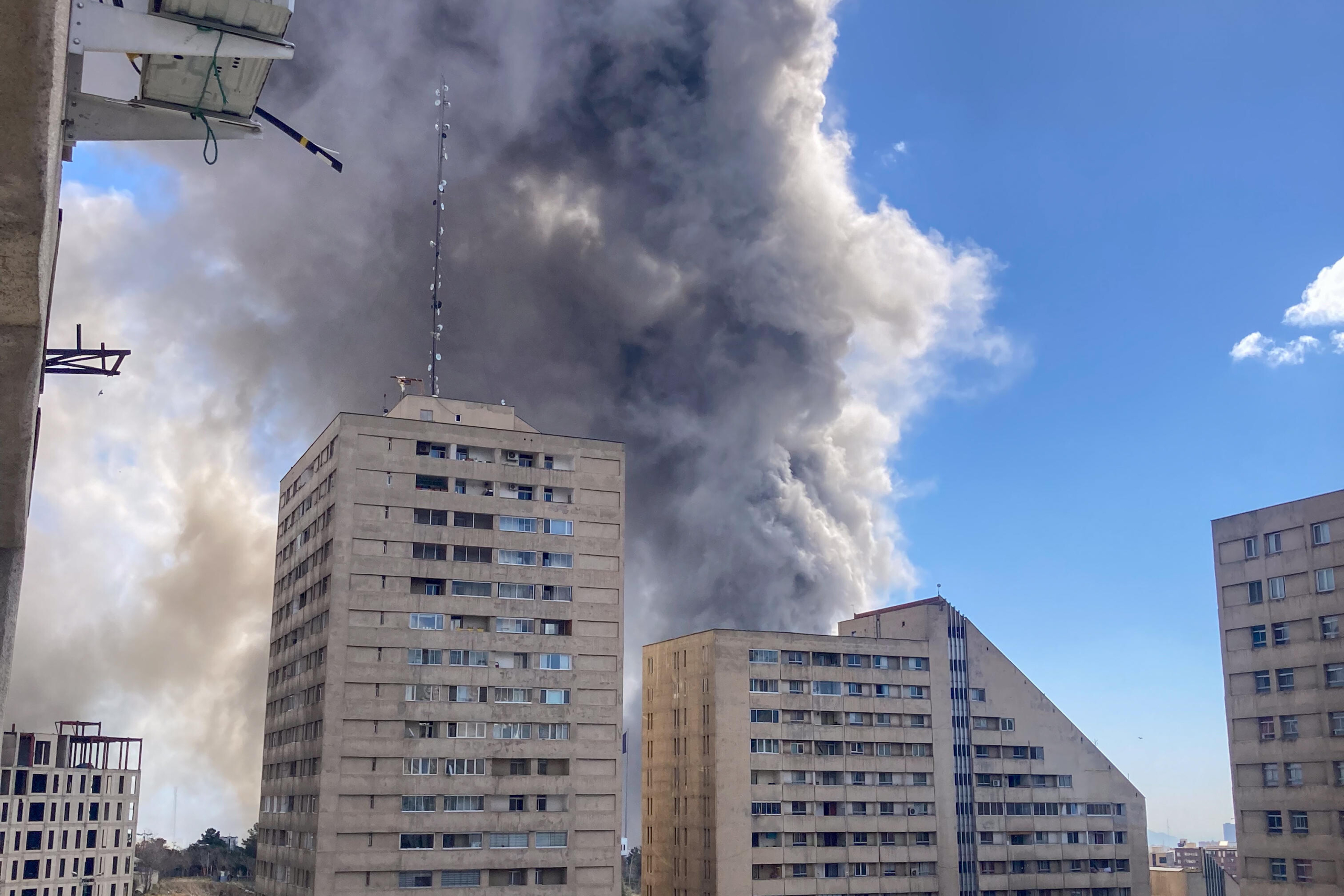
In that sense, despite Trump’s rhetoric alluding to wider goals, the most plausible endgame is for him to claim that the principal source of Iranian threat and thus regional instability is gone, that deterrence has been reestablished and to avoid the project of remaking Iran’s political order. Whether events on the ground, and the Israeli position in particular, will allow such restraint is another matter.
US strikes pose an existential threat to the Iranian regime. Those in power believe they have no choice but to escalate in return—making this as bloody as possible, as quickly as possible—to ensure its survival. Iran is outgunned and outmatched by the US and Israel both nuclear armed states with superior military and intelligence capabilities. But “victory” in Iran’s eyes means regime survival and resisting its adversaries to the point of exhaustion.
…
None of the plausible trajectories offer these states comfort. The end of the regime in Tehran could provoke state collapse and more instability. Having a failed state the size of Iran on their doorstep, with all of the security and migration implications, is a catastrophic scenario for the Arab Gulf. States like Oman could still try to facilitate new negotiations with Tehran to avert this, but the window for this is closing fast. Iran’s possible fall will also entrench another undesirable outcome: Israel’s aggressive hegemony in the region. With its major rival crippled, the US might disengage even further as a regional security guarantor, leaving the Arab Gulf states to deal with an emboldened Israel on their own.