
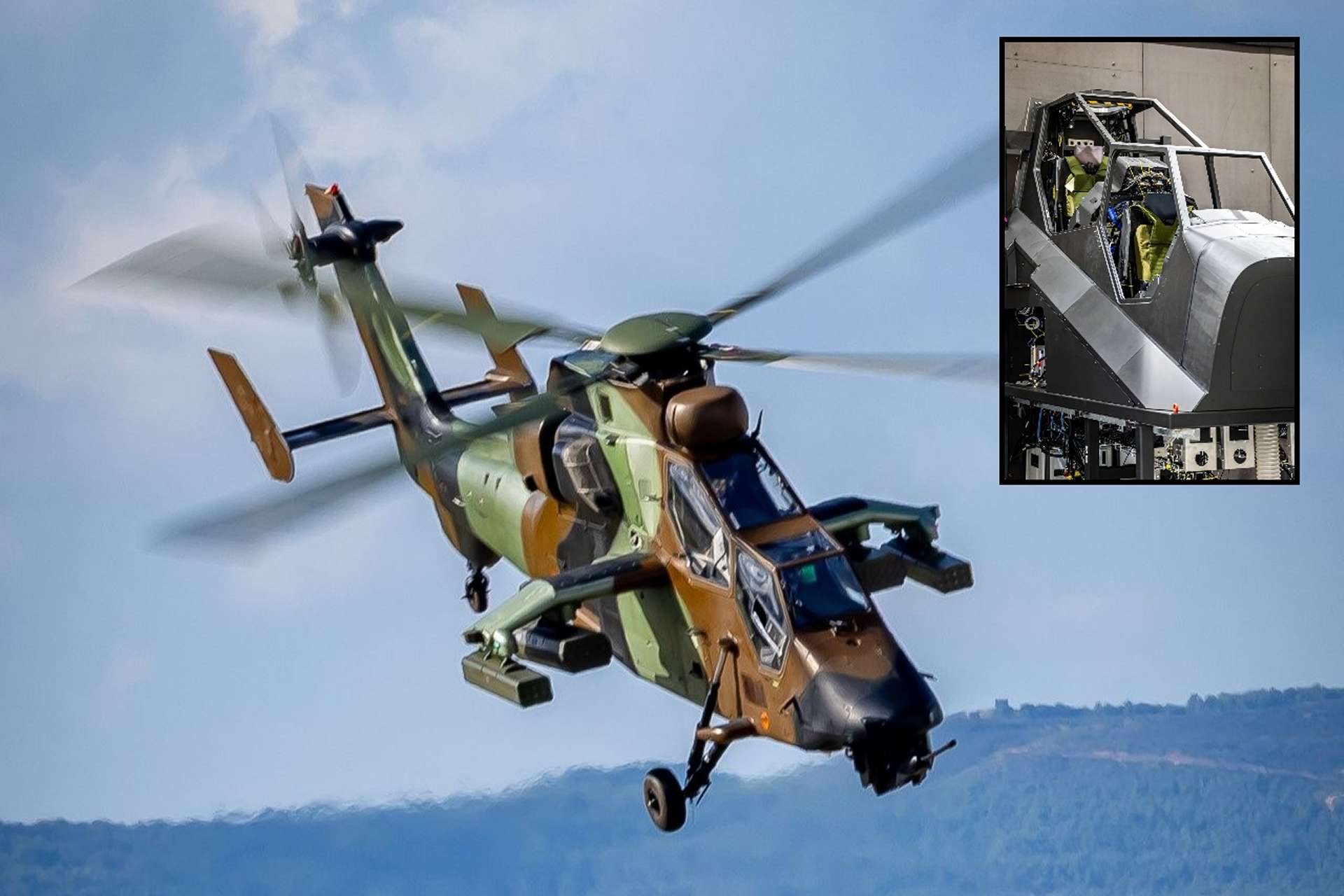
Airbus’ activation of the “Helicopter 0” test bed, the consolidation of three flying prototypes at Marignane, and preparations for an Albacete assembly line together indicate that the Tiger MkIII effort is entering its most decisive engineering period. If the transition from ground integration to flight testing proceeds as planned toward 2026, France and Spain will be positioned to field a more connected Tiger configuration aligned with emerging requirements for networked operations and crewed–uncrewed cooperation, while maintaining a joint industrial base to support the fleet through the next stage of its service life.
Idk I guess I just see this from the perspective of US attack helicopter acquisition woes where the Air Force and Navy really didn’t want the Army to have an air platform for targetting and radar that could interface with ground units and coordinate targetting, reconnaissance, artillery fires and attack but could also organically operate with land armies out of unprepared conditions and be brought along with a ground army to be used as a launch platform for large amounts of guided and unguided munitions.
The way the politics of these things tend to bear out is ‘Air Forces’ and ‘Navies’ see the integration of such a fully capable fullstack warfighting asset in ‘Armies’ as a threat because it can do everything all the way from high level decisionmaking assigning targets to friendly assets over networked secure connections while observing with the Longbow radar down to physically flying up to a target and blowing it up after a friendly soldier on the ground essentially makes eye contact with the helicopter pilot, points and yells THERE BLOW THAT THING UP.
I think this is also why we have seen Ukraine so radically transform the battlefield with innovations in UAVs, these kinds of crossings between air power and land armies are always frought with politics and lots of “Hey that is my turf!” nonsense and ultimately it ends up very poorly positioning militaries to fight organic, dynamic conflicts where air support is critical, messy and not delineated cleanly between seperate institutions of a military fighting together. Ukraine bypassed that internal struggle and proceeded directly to making the best use of organic air assets working in close coordination with a land army as possible and the results are unarguably decisive.
My point is these kind of conditions tend to lead to militaries continually acquiring light helicopters while pretending they don’t need a heavy attack helicopter with advanced long range radar, targetting and data sharing capacity until they are forced to confront reality at which point they start the process of considering an attack helicopter that could fully encapsulate all those functions… and then back away because politically that is a perceived as a threat to the jobs of the Air Force and Navy the Army looking to acquire attack helicopters is connected to. Rinse repeat.
TL;DR Close Air Support is political as fuck along internal vectors of politics within military institutions.