

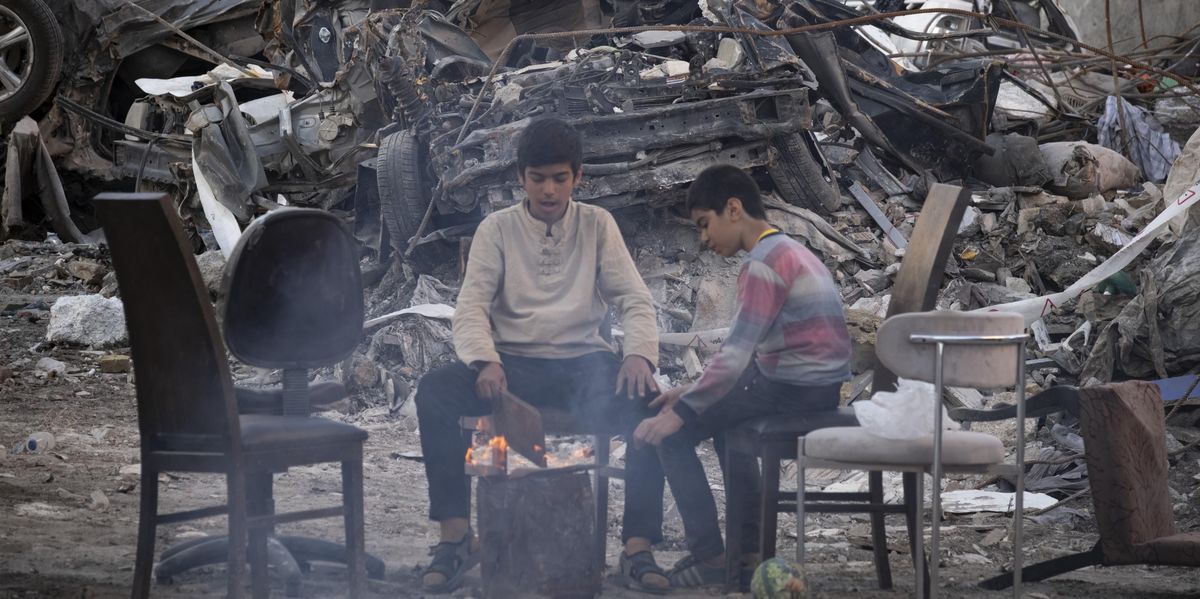
Among the damaged facilities were 339 health facilities, 32 universities, 857 schools, tens of police and fire stations, 20 Red Crescent centers, and 120 museums and historical monuments. If a citizen in Tehran needs emergency medical assistance, wants to report a car accident or house fire, or simply needs to renew documents, they may be unable to reach the police or emergency services because stations and offices have been bombed or evacuated to avoid casualties.
More than 23,000 factories and firms have been directly hit, with many neighboring businesses also forced to shut down. Critical infrastructure — including ports, aviation, and transportation networks, which are essential for moving food, medicine, raw materials, and workers — has also been heavily affected. Iranian officials have estimated the cost of reconstruction at approximately $300 billion in damages to civilian infrastructure, excluding military sites and broader economic losses from unemployment, business closures, supply disruptions, inflation, and lost investments.
This trail of destruction represents a deliberate strike at the core of Iran’s labor market. By hitting steel, petrochemicals, pharmaceuticals, and transportation, the war disrupted supply chains that sustain millions of jobs. Many dairy factories, for example, have suspended operations because of shortages of essential packaging materials. Long market shutdowns, liquidity constraints, weak demand, and deep uncertainty have also reduced private consumption and damaged wholesale and retail activity.
By my estimate, 10 to 12 million jobs, the primary source of income for nearly half of Iran’s workforce, are now at risk.